How Much Land for a Homestead in Texas? (2026)
How much land for a homestead in Texas: 1 to 2 acres for a house, garden, and hens. A cow needs 3 to 6 acres of tame pasture east, 20 to 35 acres west.

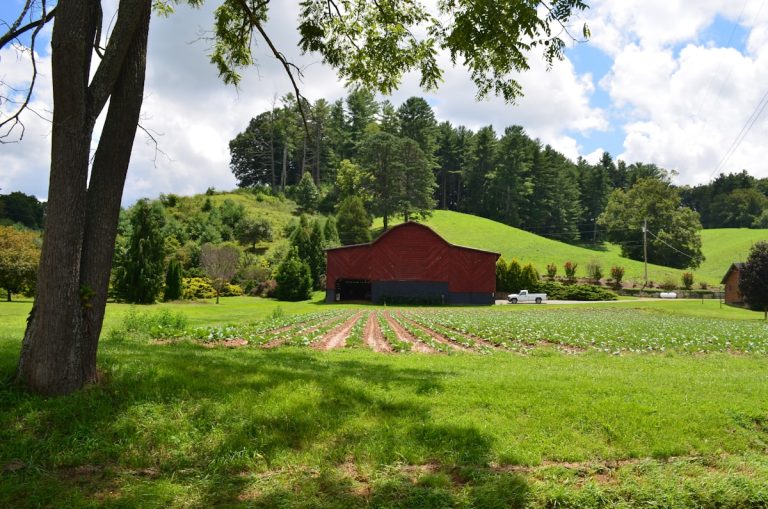
How much land do you need for a homestead? In Texas, 1 to 2 acres covers a house, well, septic, family garden, and laying flock. Grazing sets the rest: one cow needs roughly 3 to 6 acres of tame pasture in East and Central Texas, but 20 to 35 acres of native range farther west.
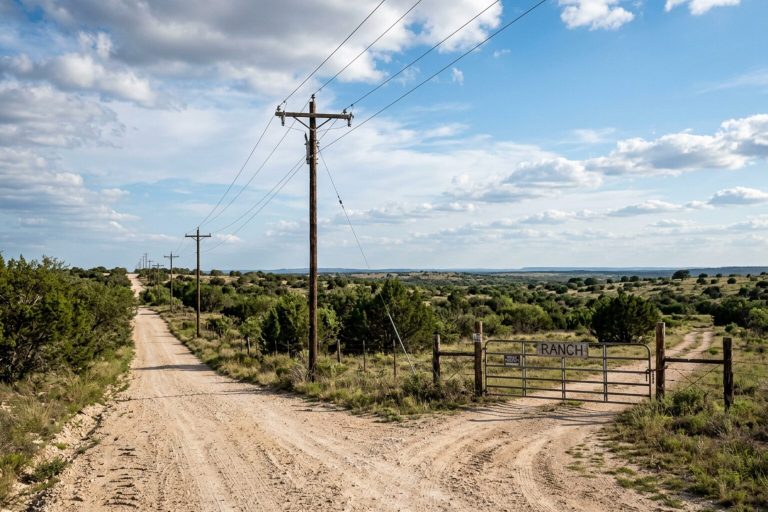
Those grazing figures come from Texas A&M AgriLife Extension and Texas Parks and Wildlife Department (TPWD) stocking guidance, cited below. Rainfall drives almost all of the difference. Average annual precipitation in Texas falls from over 55 inches in Beaumont to less than 10 inches in El Paso, according to the Texas Water Development Board, so the same goal can take five times the land depending on your county.
How much land do you need for each homestead goal?
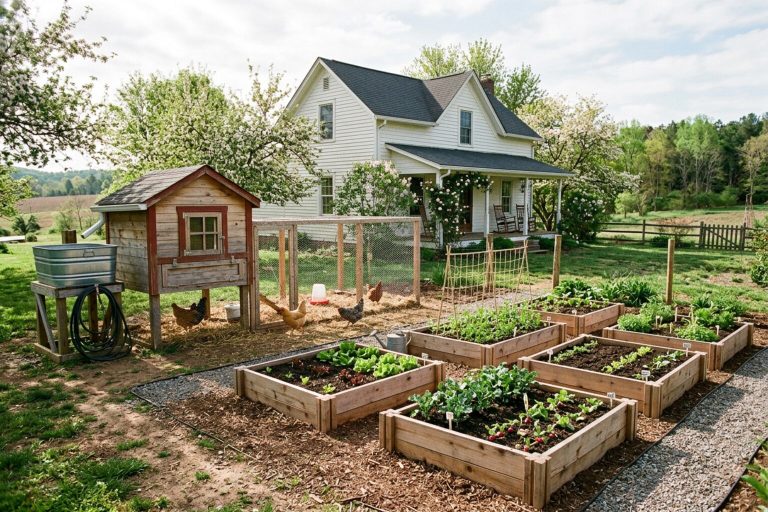
A garden and chickens fit on a fraction of an acre. Grazing animals and a firewood supply are what push a homestead from 2 acres to 10 or more. This table shows the land each goal needs on its own.
| Goal | Land it needs | Basis |
|---|---|---|
| House, well, and septic | About 1 acre minimum | TCEQ lot size for a well plus septic, via Bastrop County |
| Vegetable garden, family of four | About 0.03 to 0.08 acre (1,300 to 3,200 sq ft) | Our estimate from AgriLife row lengths |
| 12 laying hens | About 25 to 50 sq ft of coop, plus a run | AgriLife: 2 to 4 sq ft per bird |
| 7 meat goat does (1 animal unit) | 3 to 6 acres tame pasture; 20 to 35 acres native range | AgriLife EB-6091 and stocking rates below |
| One 1,000-lb cow | 3 to 6 acres tame pasture; 8 to 35 acres native range | TPWD and AgriLife budgets |
| Wood heat, about 3.5 cords a year | About 10 acres of managed woodland | University of Kentucky and Oklahoma Forestry Services |
The pieces stack. On our math, all six goals take about 16 to 22 acres in the Post Oak Savannah and 50 or more in Southwest Texas.
How much land do you need for a garden?
A garden needs far less land than most beginners expect: roughly 300 to 800 square feet per person. Water, not acreage, is usually the limit.
Texas A&M AgriLife’s Easy Gardening: Planning a Garden lists how much to plant per person. For fresh eating it suggests 10 feet of row each for beets, carrots, greens, lettuce, and turnips, 15 feet each of corn and bush beans, 3 tomato plants, and 3 pepper plants. To preserve the harvest, it raises corn to 50 feet, onions to 30 feet, and tomatoes and peppers to 5 plants each. It says most vegetables need 3 feet between rows.
Worked example (our math): the fresh-eating rows in AgriLife’s table add up to about 106 feet per person. At 3 feet between rows, that is about 320 square feet, plus room for tomatoes, peppers, squash, and cucumbers. The preserving column adds up to about 185 feet of row, or about 550 square feet plus the larger plant counts. So plan on roughly 350 to 450 square feet per person for fresh food and 600 to 800 for canning. A family of four that preserves needs about 2,400 to 3,200 square feet, which is under one-tenth of an acre.
Can you garden year-round in Texas?
Yes, in most of the state. AgriLife’s Fall Vegetable Gardening Guide says most areas of Texas can grow a fall garden. Its planting table runs from mid-July in its coldest region to mid-December in its warmest for crops such as carrots and spinach.
How much space do chickens need?
Chickens need about 2 to 4 square feet of coop floor per bird. A dozen hens fit in a coop the size of a garden shed, so land is never the limit for a laying flock.
AgriLife poultry specialist Greg Archer gives 2 to 4 square feet per bird as a minimum, with perches about 18 inches high. AgriLife’s The Small Laying Flock recommends 3 square feet per hen for floor-housed or free-range layers. Add a fenced run so the birds have ground to scratch. Predator protection matters more than square footage.
How many acres do you need for goats?
Seven 100-pound goat does equal one animal unit, so they need about the same land as one cow. That works out to roughly half an acre to 5 acres per doe, depending on rainfall and pasture type.
AgriLife’s Livestock for Small Acreage Landowners (EB-6091) rates a 100-pound doe at 0.15 animal unit, or 7 does per unit. Goats browse brush as well as grass, but they still count against your carrying capacity.
- Fencing: EB-6091 says barbed wire alone is not suitable for goats or sheep. It recommends 39- to 48-inch net wire with stays 12 inches apart.
- Shelter: allow 10 to 12 square feet of sheltered area per mature animal, with solid walls on the north and west sides.
Worked example (our math): 4 does are about 0.6 animal unit. On tame pasture at 3 to 6 acres per unit, they need about 2 to 4 acres. On native range at 20 acres per unit, they need about 12 acres. West of Texas Highway 16, at 35 acres per unit, they need about 21 acres.
How many acres per cow in Texas?
One 1,000-pound cow needs anywhere from 3 acres of fertilized tame pasture in East Texas to 35 acres of native range in Southwest Texas. A modern cow is heavier than that, so most need more.
The animal unit (AU) is a 1,000-pound cow with or without a calf. AgriLife’s Stocking Rate: The Key Grazing Management Decision (L-5400) notes that today’s average beef cow probably weighs 1,150 to 1,200 pounds. Its example turns a 20-acre rate for a 1,000-pound cow into 23 acres for a 1,150-pound cow.
What are the stocking rates by region of Texas?
These are published planning rates. They are starting points, not a guarantee for your pasture.
| Region or county | Tame or improved pasture | Native pasture or range | Source |
|---|---|---|---|
| Post Oak Savannah and Blackland Prairie (East and Central Texas) | 3–6 acres/AU | 8–15 acres/AU; 50–75 if mostly wooded | TPWD Appendix D |
| Bastrop County | 3–6 acres/AU | 5–15 acres/AU | Bastrop CAD |
| Austin County | 4 acres/AU | 6 acres/AU open; 10 wooded | Austin CAD |
| Southwest Texas, east of TX Hwy 16 | Not listed | 20 acres/AU | AgriLife District 10 budget |
| Southwest Texas, west of TX Hwy 16 | Not listed | 35 acres/AU | AgriLife District 10 budget |
| Typical native range example | Not listed | 25 acres/AU | AgriLife EB-6091 |
Even neighboring pastures differ. L-5400 compares two range sites in excellent condition: a clayey bottomland that carries one AU per 8 acres in a favorable year and 13 in an unfavorable one, and a gravelly ridge that needs 13 and 25 acres.
Why does rainfall change how much land you need in Texas?
Rainfall decides how much forage grows, and forage decides how many animals an acre can carry. L-5400 calls rainfall the most important factor in forage production for most of Texas.
The bigger problem is that Texas rain is unreliable. L-5400 says rainfall becomes more variable the farther west you go. In its Dimmit County example, at least half the years from 1931 to 1994 fell below average, and there was only about an 11 percent chance that a year’s rain would land within 1 inch of the long-term average. Stocking for an average year means being overstocked at least half the time.
The same publication explains why acreage climbs so fast. Under “take half, leave half,” only about 25 percent of a pasture’s annual growth actually feeds your animals, because another 25 percent is lost to trampling, decay, and insects. At 20 acres per AU, each acre has to grow about 1,900 pounds of forage a year.
Decision rule: size your herd for a dry year, not an average one. EB-6091 warns that small acreage owners usually overestimate their carrying capacity.
How much land do you need for wood heat?
Heating mainly with wood takes about 3.5 cords a year, and a managed woodlot grows about one-third of a cord per acre a year. That points to roughly 10 acres of woodland for a self-supplied wood stove.
We could not find a Texas-specific figure, so these come from the nearest published sources. Oklahoma Forestry Services reports that Oklahoma homes burning wood as a primary or supplementary heat source use about 3.5 cords a year, and that eastern Oklahoma woodlots grow about one-third cord per acre per year, with much less in western Oklahoma. The University of Kentucky does the division: 3.5 cords at one-third cord per acre means a minimum of about 10 acres.
How much land does a whole Texas homestead need?
On our estimate, a family homestead with a garden, chickens, a few goats, and a home site needs about 5 to 10 acres in the Post Oak Savannah and 15 to 25 acres in Southwest Texas. Adding a cow or wood heat adds 10 or more acres either way.
| Line item (family of four) | Central Texas, tame pasture | Southwest Texas, native range |
|---|---|---|
| House, yard, well, septic | 1–2 acres | 1–2 acres |
| Garden for preserving | 0.1 acre | 0.1 acre |
| 12 hens, coop, and run | Under 0.1 acre | Under 0.1 acre |
| 4 meat goat does (0.6 AU) | 2–4 acres at 3–6 acres/AU | 12–21 acres at 20–35 acres/AU |
| Total | About 3–6 acres, so buy 5–10 | About 13–23 acres, so buy 15–25 |
We round up because not every acre is grazeable. L-5400 says cattle make little use of slopes steeper than 10 percent or areas more than 2 miles from water.
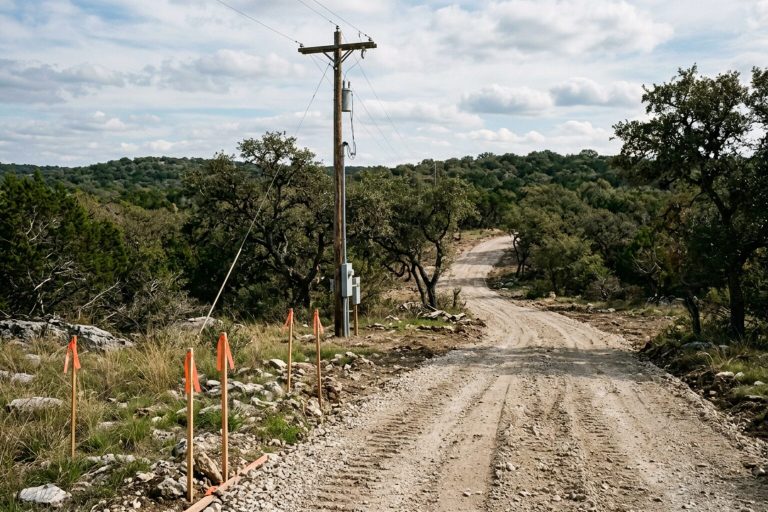
Land size also affects your septic options and taxes. TCEQ’s 10-acre rule exempts some single-family septic systems on 10 or more acres from state permitting, though counties such as Bastrop require a permit regardless of acreage. Agricultural valuation also has acreage guidelines set county by county. See our guide to the Texas ag exemption for small homesteads before you pick a tract size.
What should you check before buying homestead land?
Check water, soil, and usable acres before price per acre.
- Water: livestock and gardens depend on a reliable well. Read our guide to well drilling in Texas and the cost to drill a well. If yields are low, a storage tank for a low-yield well can bridge the gap.
- Septic: soil decides between conventional and aerobic systems. See aerobic vs. conventional septic in Texas.
- Grazeable acres: subtract the home site, roads, steep slopes, and dense brush before you apply a stocking rate.
- Budget: our cost to start a homestead guide covers what the first year costs, and our guide to buying rural land covers due diligence.
Bottom line: A garden, chickens, and a house with well and septic fit on 1 to 2 acres anywhere in Texas. Grazing animals set the real acreage, and rainfall sets the grazing. Plan on 3 to 6 acres per cow on tame pasture in the east and 20 to 35 acres on native range in the southwest, size for a dry year, and add about 10 acres of woodland if you want to heat with your own wood.
Frequently asked questions
Is 5 acres enough for a homestead in Texas?
Usually, for a garden, chickens, a few goats, and a home site in East or Central Texas, where tame pasture carries one animal unit per 3 to 6 acres. Five acres is tight for a cow plus goats, and in Southwest Texas, at 20 to 35 acres per animal unit, it supports very little grazing.
How many acres do you need for one cow in Texas?
One 1,000-pound cow needs about 3 to 6 acres of tame pasture in East and Central Texas, 8 to 15 acres of native pasture there, and 20 to 35 acres of native range in Southwest Texas, per TPWD and AgriLife. Most modern cows weigh 1,150 to 1,200 pounds, so they need about 15 to 20 percent more.
How many goats can you have per acre in Texas?
Seven 100-pound does equal one animal unit in AgriLife’s chart. On tame pasture at 3 to 6 acres per unit, that is roughly 1 to 2 does per acre. On native range at 20 to 35 acres per unit, it is about one doe per 3 to 5 acres.
How big should a garden be to feed a family of four?
Based on AgriLife’s per-person planting amounts and 3-foot rows, a family of four needs about 1,400 to 1,800 square feet for fresh eating and 2,400 to 3,200 square feet to preserve food. That is under one-tenth of an acre. Texas’s fall season can stretch the same plot further.
How much land do I need to heat my house with wood?
About 10 acres of managed woodland. Oklahoma homes heating with wood burn about 3.5 cords a year, and eastern Oklahoma woodlots grow about one-third cord per acre per year, per Oklahoma Forestry Services. Dry West Texas brush grows slower, so you would need more land there.
Updated October 2026. Space and stocking numbers are published guidance from the sources linked. Where we combine them into an estimate, we say so. Your county Extension agent or NRCS office can give you a site-specific stocking rate.