How Much Does It Cost to Drill a Well? (2026 Guide)
What it costs to drill a residential well in 2026, the factors that change the price, and how to get an accurate local quote for your property.
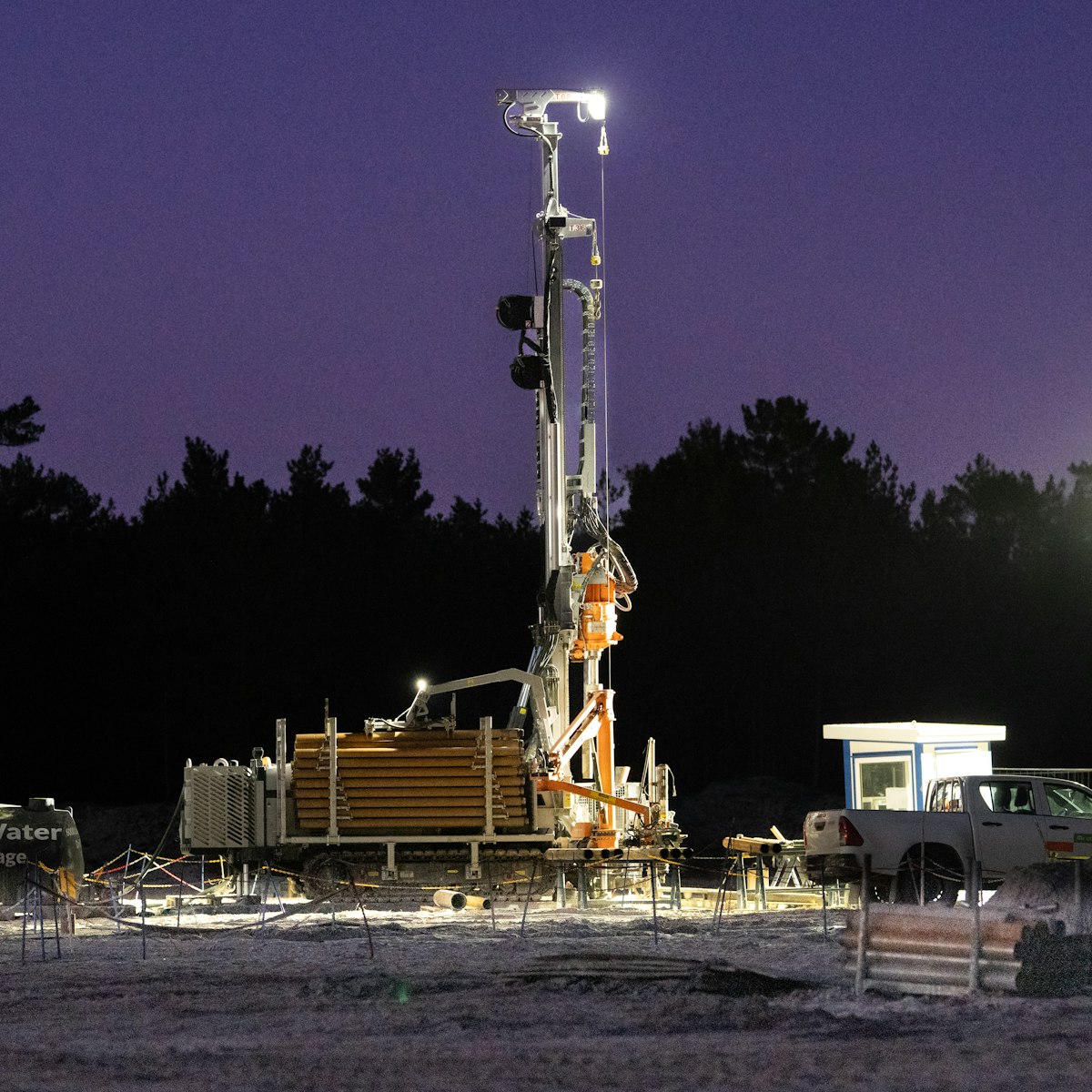
A new residential well usually costs $3,500 to $15,000, and the single biggest factor is how deep you have to go to reach reliable water. Soft ground and a shallow water table sit at the low end. Hard rock and a deep table push toward the top, and beyond. Here’s what actually moves the number, and how to get a real quote for your land.
What changes the price
Depth. Wells are often priced by the foot, so depth is the main lever. A 150-foot well costs a fraction of a 400-foot one.
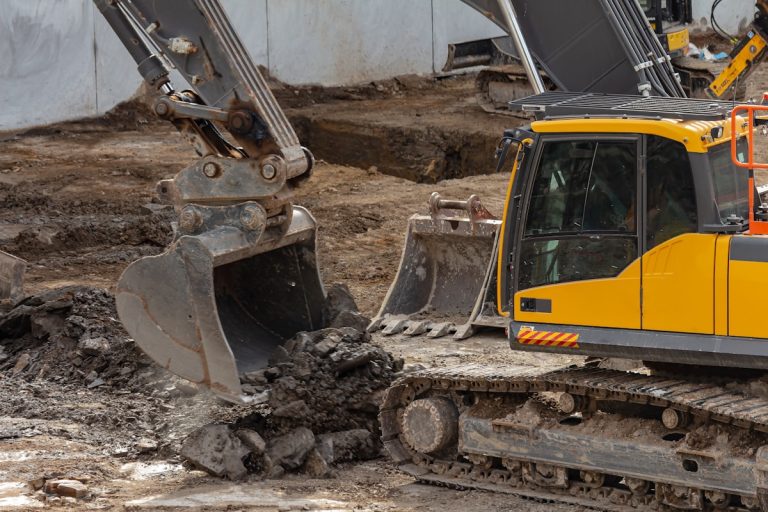
Ground conditions. Drilling through sand and clay is faster and cheaper than grinding through granite or limestone. Hard rock needs different equipment and more time.
Water table. The deeper the reliable water sits, the more you drill to reach it. This varies enormously by region and even by parcel.
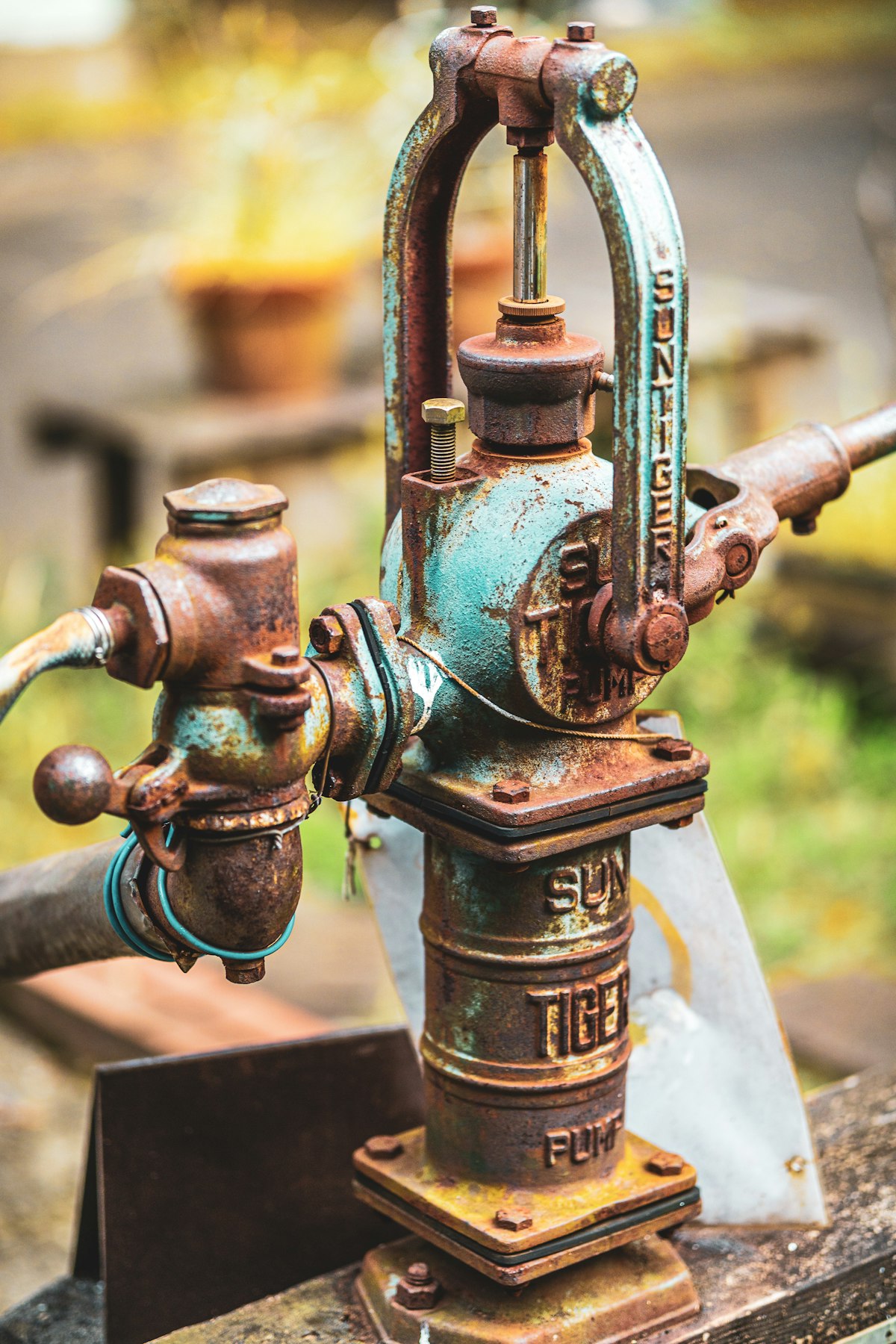
Pump and pressure tank. The hole is only part of the job. The pump, pressure tank, and wiring that actually deliver water to your house add to the total.
Access and permitting. A rig that can’t easily reach the drill site costs more to set up. Most areas also require a permit and a filed well log, usually handled by the driller.
Why local matters more than any national average
A national range is a starting point, not a quote, because the same well costs very different amounts depending on the rock and water under your specific county. That’s why we build local guides for the areas we serve.
If you’re in the Texas Hill Country or North Texas, start with your county:
- Well drilling in Gillespie County
- Well drilling in Llano County
- Well drilling in Kerr County
- Well drilling in Hays County
- Well drilling in Parker County
Each one covers the local aquifer, the ground you’re drilling through, and what neighbors tend to pay.
Questions to ask before you hire
- Are you licensed and bonded for water-well work in this state?
- What depth do most wells in this county hit water, and how do you price by foot?
- Do you handle the permit and the well-log filing?
- What pump and pressure-tank setup do you recommend for my property?
- What happens, and what does it cost, if the first hole comes up dry?
Where a well fits in the bigger budget
A well is one of the first systems you build on raw land, alongside septic and power. If you’re planning a property from scratch, see what it costs to start a homestead and our first-year homestead plan so the well lands in the right order.
Get a free quote from a local driller
The only way to know your real number is a local quote. Offsprig matches you with one vetted well driller who works your area, and we’re paid by the contractor, never by you. Tell us where your property is and what you need.
Frequently asked questions
Most residential wells cost between $3,500 and $15,000. Depth and ground conditions set the price, so a shallow well in soft ground costs far less than a deep well through hard rock.
Greater depth, hard rock like granite, a low water table, difficult site access, and the pump and pressure-tank setup all raise the price. Permits and well-log filing add smaller amounts.
Usually yes. Drilling costs time and equipment whether or not the first hole hits water, so ask a contractor how they handle a dry hole before you sign.
A straightforward residential well is often drilled in one to three days once permits are in hand, with pump and pressure-tank hookup adding about a day.