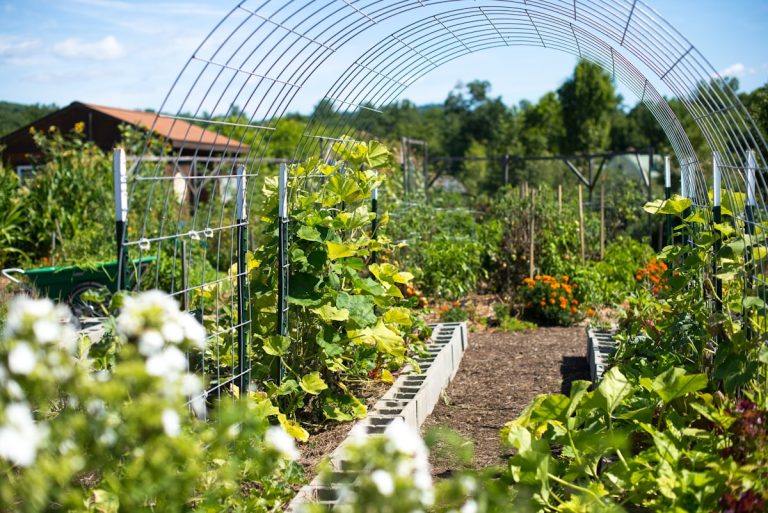
How Much Does It Cost to Start a Homestead?
A clear breakdown of what it costs to start a homestead in 2026, from land and a well to septic, power, and fencing, with realistic ranges for each.
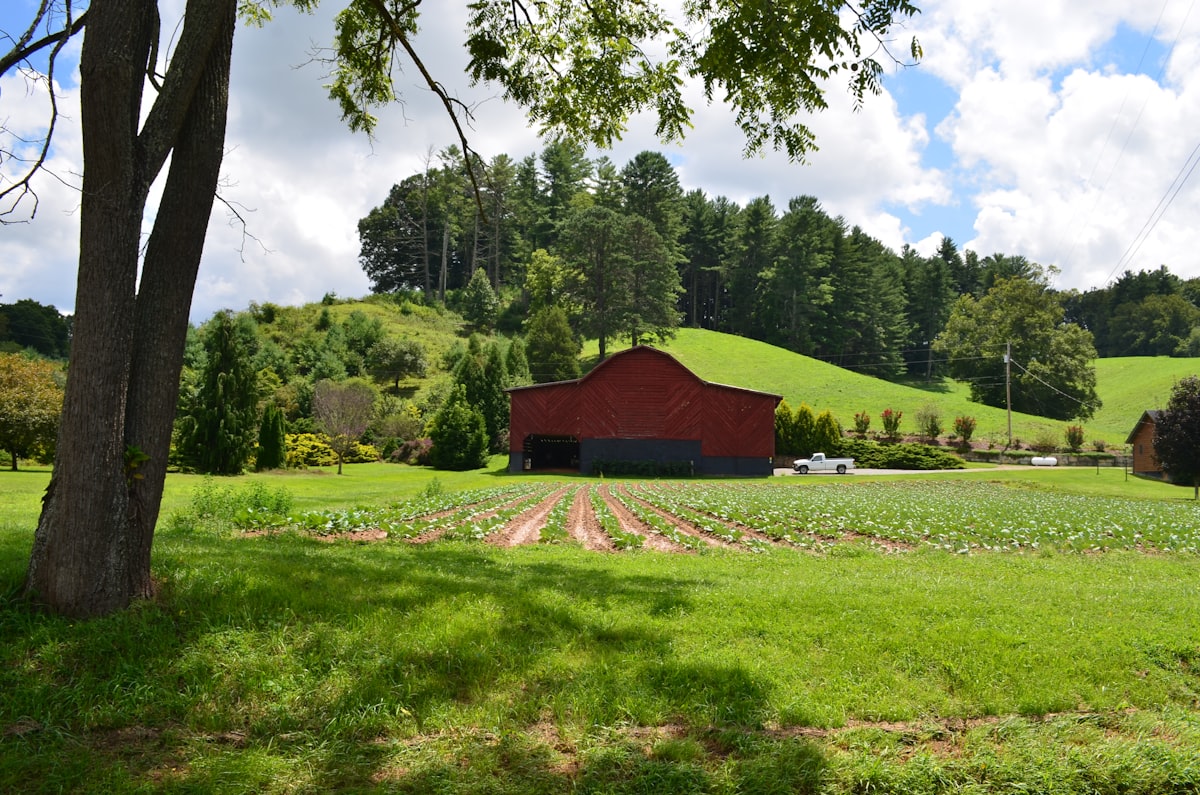
The honest answer: developing raw land into a working homestead usually costs far more than the land itself, because you pay for every system the property doesn’t already have. Below is what each piece runs in 2026, so you can build a real budget instead of a hopeful one.
The land is the down payment, not the total
Rural land price swings wildly by region, access, and water. But whatever you pay for the dirt, treat it as the first line item, not the whole bill. The systems that make land livable are where budgets blow up, and they’re easy to undercount when you’re standing on a pretty piece of property.
Water: the first major system
On most rural land, water means a private well. A new residential well commonly runs $3,500 to $15,000, driven mostly by depth and ground conditions. Hard rock or a deep water table pushes it higher. See our full well drilling cost guide for what moves the number.
Septic: the second major system
If there’s no sewer, and rural there rarely is, you need a septic system. A conventional system usually costs $3,000 to $12,000, with poor soil forcing pricier alternatives. Our septic guide covers which type your land can support.
Power: grid or off-grid
If a utility line is close, an extension might be affordable. If it’s far, an off-grid build often wins. A whole-home off-grid solar system typically runs $15,000 to $60,000, with batteries the largest share. Smaller cabin systems cost much less.
Land prep and structures
Wooded or overgrown land usually needs clearing before you build, commonly $1,500 to $6,000 per acre depending on density. Then come structures. A pole barn starts around $7,000 and is often the first build, sheltering tools and animals while you plan the house.
Fencing and animals
If livestock is part of the plan, budget for fencing before the animals arrive. Installed agricultural fencing runs roughly $1 to $10 per linear foot, so a project lands anywhere from $2,000 to $15,000 depending on length and type. Match the fence to the animal, as our livestock fencing guide explains.
A realistic starting range
Add it up and a bare-land homestead with a new well, septic, power, basic clearing, and a barn often lands somewhere in the tens of thousands beyond the land price, before the house. Buying land that already has water, power, and septic can cut that dramatically, which is why developed parcels sell at a premium. Before you fall for raw acreage, run the math with our first-year homestead plan.
Get accurate local numbers
National ranges only get you so far. The real cost depends on your county, your soil, and your access. Offsprig connects you with vetted local pros who’ll quote the actual work, and we’re paid by the contractor, not by you. Tell us what you’re planning.
Frequently asked questions
Yes, if you buy land that already has water, power, and septic, your startup cost drops sharply. Raw land is cheaper to buy but far more expensive to develop, because you pay for every system yourself.
After the land itself, the well and septic are usually the largest single costs, often several thousand dollars each. Off-grid power can match or exceed them if you build a full solar and battery system.
You can start serious food production on one to five acres. More land gives you room for livestock and pasture, but it also raises your fencing, clearing, and infrastructure costs.