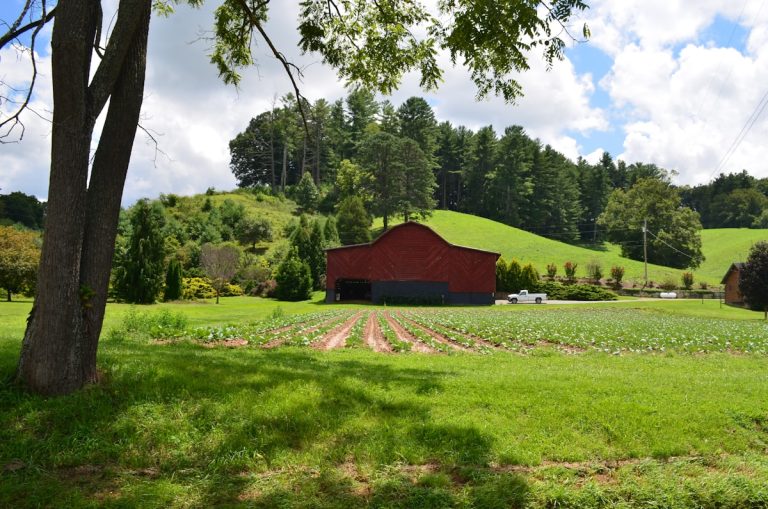
How to Start a Homestead: A Realistic First-Year Plan
A practical, month-by-month first-year plan to start a homestead, from buying land and securing water to power, fencing, and your first animals.
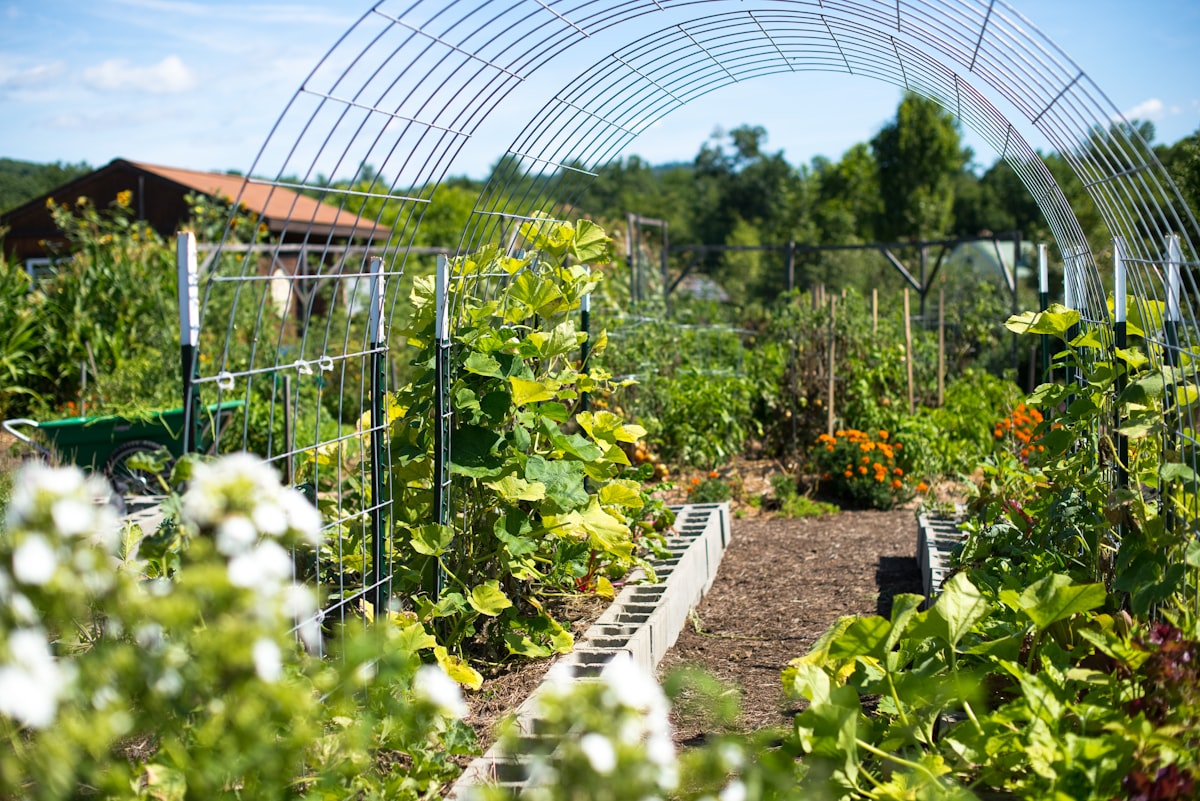
Starting a homestead comes down to a short list of big decisions made in the right order: land, water, power, shelter, then food production. Get the order wrong and you spend money twice. This is the first-year plan most people wish they’d had on day one.
Start with the land, not the dream
Before you picture goats and a garden, picture the property that makes them possible. The land decides almost everything that follows, so judge a parcel on the boring questions first: Is there a legal water source? How is access in the rain? What does the county allow you to build? A beautiful tract with no water and no road is a money pit waiting to happen.
If you haven’t bought yet, work through our homesteader’s checklist for buying rural land before you sign anything. It covers the red flags that are expensive to miss.
Months 1 to 3: water and access
Water is the first system to lock down, because nothing else works without it. On rural land that usually means a private well. Find out what neighbors are paying and how deep local wells run, then budget realistically. Our guide on what it costs to drill a well walks through the numbers.
While you’re at it, sort out year-round access. A driveway that washes out every spring will block every delivery, every contractor, and every emergency vehicle for the life of the property.
Months 3 to 6: power and waste
Next come the two systems that make a place livable: power and sewage.
If you’re off the grid or far from a line, price an off-grid solar system against the cost of a utility extension. A power-line extension can run more than a whole solar setup, which is why many rural builds skip the grid entirely.
For waste, most rural homes need a septic system. The soil decides what you can install, so a percolation test comes early. Our septic systems guide covers the types and what each one costs.
Months 6 to 9: shelter and structures
With the core systems in, you can build. Whether it’s a home, a workshop, or a barn, this is the stage to think about the structures you’ll actually use. A pole barn is often the first big build on a homestead because it shelters tools, feed, and animals for far less than a finished building.
If you’re running livestock, fencing goes in around the same time. The right fence depends entirely on the animal, so read up on livestock fencing options before you buy a single post.
Months 9 to 12: food production
Only now, with land, water, power, waste, and shelter handled, does it make sense to start producing food. Begin small. A modest garden and a few hardy animals teach you more in one season than a year of planning. Expand what works, drop what doesn’t, and let the place tell you what it wants to become.
Budget for the whole picture
The mistake that sinks first-year homesteaders is budgeting for the land and forgetting the systems. A parcel is the down payment, not the total. Add the well, the septic, the power, and the first structures, and you have the real number. See what it costs to start a homestead for a full breakdown.
Find vetted local pros
Most of the early work, the well, the septic, the clearing, the barn, is best left to people who do it every day on land like yours. Offsprig matches you with vetted local pros for each job, and we’re paid by the contractor, never by you. Tell us what you’re planning and we’ll connect you with someone nearby.