Livestock Fencing: Types, Costs, and What to Choose
Livestock fencing costs in 2026 and how to choose the right fence for cattle, goats, horses, and sheep, with the factors that change the price.
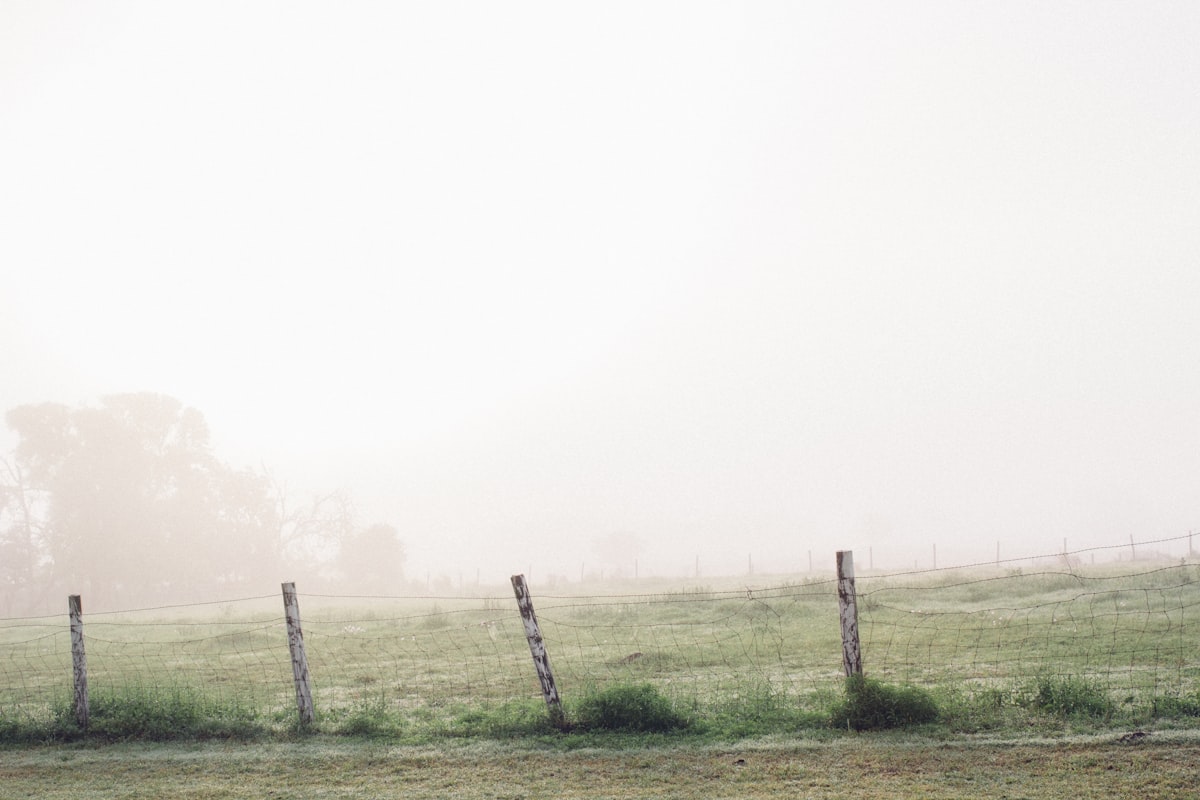
Installed livestock fencing runs roughly $1 to $10 per linear foot, so a typical project lands between $2,000 and $15,000. The animal you’re keeping decides the fence type, and the fence type plus your terrain decide the price. Choose the wrong fence and you’ll be chasing escaped animals and rebuilding within a season.
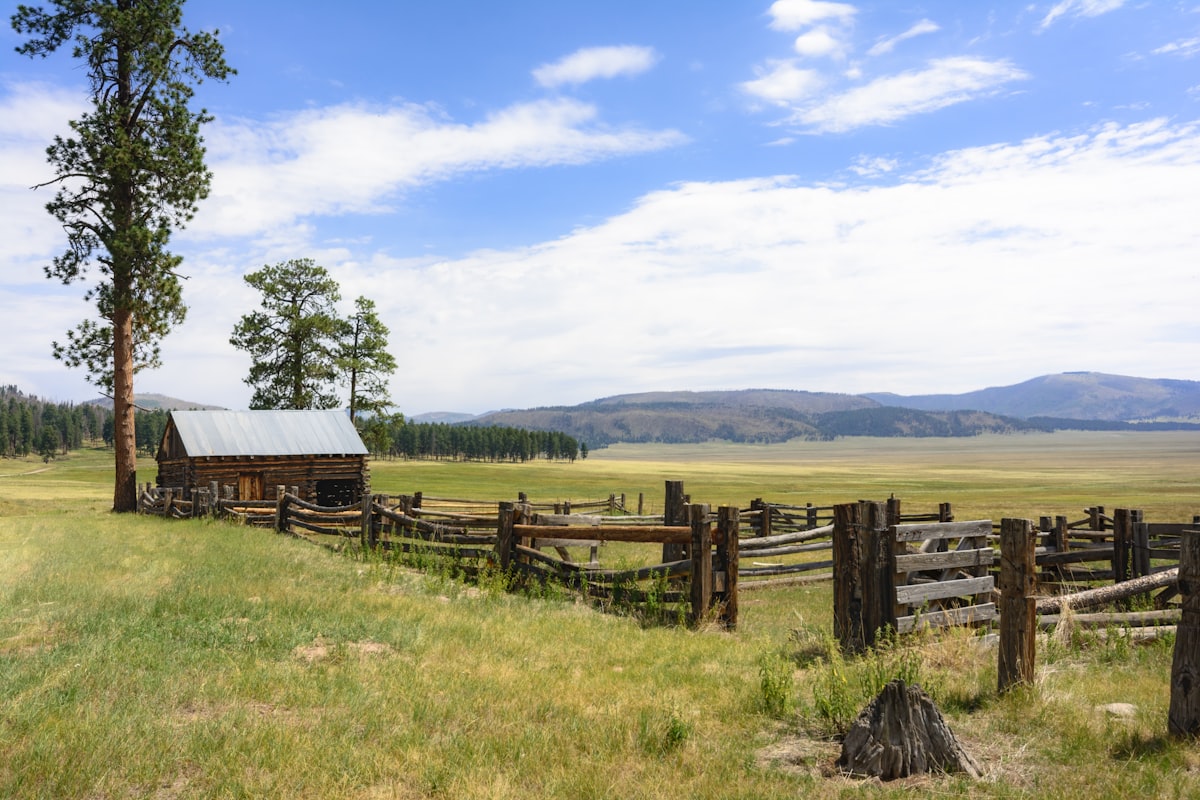
Match the fence to the animal
This is the decision that matters most. A fence that holds cattle won’t hold goats, and a fence built for goats is overkill for a calm horse pasture.
Cattle. High-tensile wire or barbed wire usually does the job. Cattle respect a fence they can see and feel.
Goats and sheep. Woven wire, sometimes called field fence, is the standard. Goats climb, push, and test every gap, so loose or widely spaced wire fails fast. This is the most demanding common animal to fence.
Horses. Safety sets the choice. Smooth wire, board fence, or specialized horse fencing avoids the injuries that barbed wire can cause.
Mixed or rotational grazing. Many homesteaders add electric wire to manage where animals graze without building permanent cross-fences everywhere.
What changes the cost
- Length. Priced largely by the linear foot, so perimeter size is the main driver.
- Material. Woven wire and board cost more than barbed or high-tensile wire.
- Terrain. Hills, rock, and creek crossings slow installation and raise labor.
- Clearing. A fence line through brush or trees needs clearing first, which can cost as much as the fence.
- Corners and gates. Proper bracing at corners and gates is where cheap fences fail, and it’s worth paying for.
Don’t cut corners on corners
The most common fencing mistake is skimping on corner and gate bracing. The straight runs are easy. The corners take the tension, and a poorly braced corner sags, loosens the whole line, and lets animals out. A good installer spends real effort here, and you should expect it in the quote.
Where fencing fits in the plan
Fencing goes in before the animals, usually after the core systems and around the time you build a barn. Fold it into your first-year plan and startup budget so the animals have somewhere safe to go on day one.
Get a local fencing quote
Terrain and clearing make fencing a local, see-it-in-person job. Offsprig connects you with a vetted fencing contractor who works your area, and we’re paid by the contractor, not by you. Tell us what you’re fencing and for which animals.
Frequently asked questions
Installed agricultural fencing runs roughly $1 to $10 per linear foot, so most projects land between $2,000 and $15,000 depending on length, material, and terrain.
Woven wire fencing works best for goats, because they climb and push through loose or widely spaced wire. Cattle do fine with high-tensile or barbed wire that would not hold goats.
Length, material, terrain, and the amount of clearing, bracing, and gates all raise the cost. Rough or wooded ground can cost as much to prepare as the fence itself.