
Off-Grid Solar: What It Costs and How to Size a System
What an off-grid solar system costs in 2026, how to size one for your real energy use, and when off-grid beats a utility line extension.
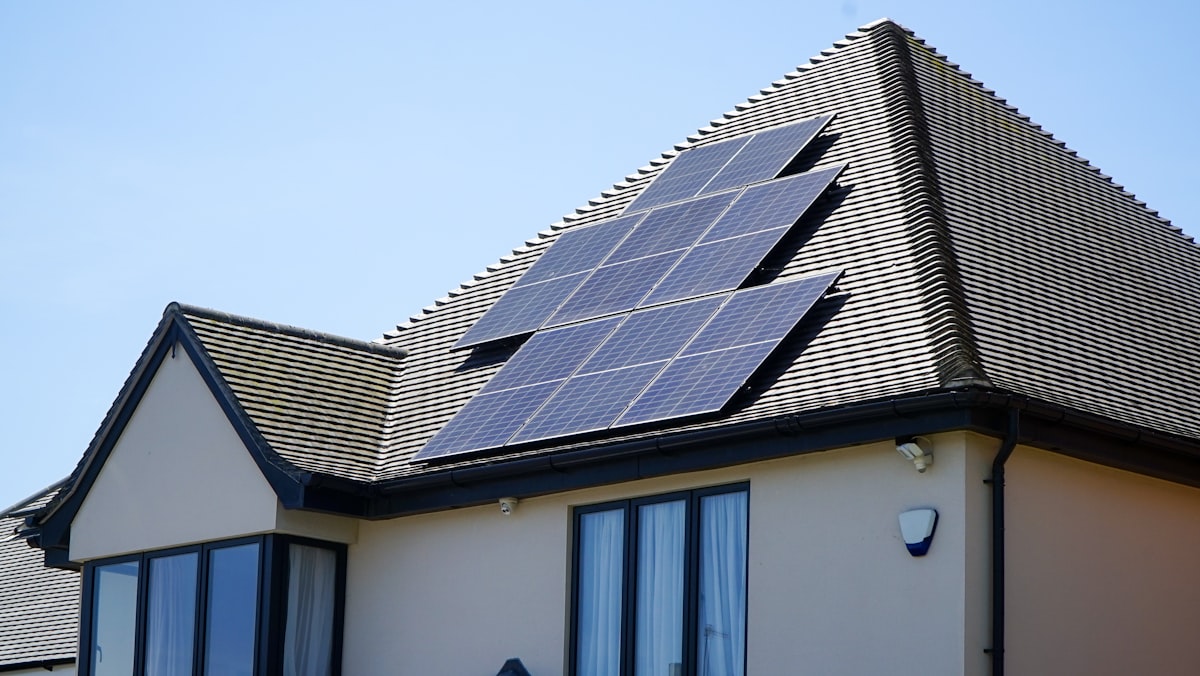
A whole-home off-grid solar system typically costs $15,000 to $60,000, with batteries the largest single expense. The right number for you depends on how much power you actually use and how much sun your site gets, not on the size of your house. Here’s how to size it and when off-grid is the smart choice.

Off-grid is different from grid-tied
A grid-tied system can lean on the utility when the sun isn’t out. Off-grid can’t. It has to produce and store everything you use, including through cloudy stretches and short winter days. That makes correct sizing the difference between reliable power and sitting in the dark in January. It also means batteries, which a grid-tied system may skip entirely.
How to size a system
Good installers don’t guess by square footage. They run a load calculation:
- Add up your daily energy use in kilowatt-hours, appliance by appliance.
- Factor in local sun hours, which vary by region and season.
- Size the panels to produce that energy on an average day, with margin.
- Size the battery bank to carry you through nights and low-sun days.
- Add an inverter and charge controller rated for the load.
The winter low, not the summer average, sets the real requirement. A system that’s perfect in July can leave you short in December.
What changes the cost
- Battery bank. The biggest variable and the shortest-lived part. Chemistry and capacity swing the price widely.
- Total load. Running a well pump, full kitchen, and heat pump needs far more than a cabin with lights and a fridge.
- Panels and mounting. Roof, ground mount, and site conditions all matter.
- Backup. Many off-grid homes add a generator for the worst stretches, which changes the battery math.
When off-grid wins
If a utility line is close, an extension may be cheaper. If your build site is remote, get a quote for that line extension before assuming you need the grid. Running power a mile or more can cost tens of thousands, sometimes more than a complete off-grid system. For many rural properties, skipping the grid is the cheaper and more independent choice.
Where power fits in the plan
Power is a core early system, alongside your well and septic. Build it into your first-year plan and startup budget early, since it shapes what else the property can run.
Get a local off-grid quote
Sizing an off-grid system is specialized work, and a bad load calculation is expensive to fix. Offsprig connects you with a vetted installer who has sized true off-grid systems, not just grid-tied ones, and we’re paid by the contractor, not by you. Tell us about your site and your power needs.
Frequently asked questions
A whole-home off-grid system typically costs $15,000 to $60,000, with batteries making up a large share. Smaller cabin systems cost much less.
It depends on your daily energy use and local sun hours, not your home’s size. A proper installer runs a load calculation rather than guessing, which prevents an undersized system.
Often, yes. Extending a utility line to a remote property can cost tens of thousands of dollars per mile, which sometimes exceeds the cost of a full off-grid system.