How to Buy Rural Land: A Homesteader’s Checklist
The checklist for buying rural land for a homestead: water rights, access, soil, zoning, and the red flags that cost the most to miss.
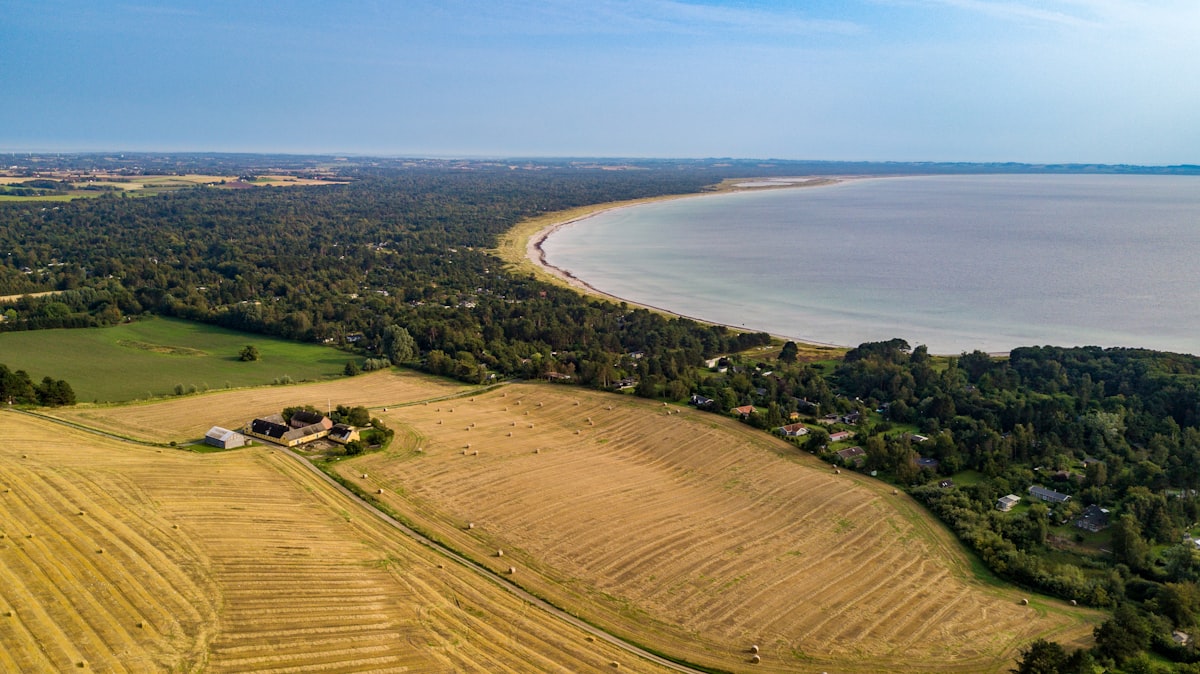
Buying rural land is not like buying a house. The price tag is the easy part. What decides whether a parcel becomes a working homestead or a money pit is water, access, soil, and zoning. Run every property through this checklist before you sign.
1. Water: the deal-breaker
No water, no homestead. Confirm there’s a legal and physical way to get it before anything else.
- Ask for well records on the parcel and the neighbors. Depth and yield tell you what you’re in for.
- Check the local groundwater district for restrictions.
- If there’s no well yet, budget for one. Our well drilling cost guide shows the range, and depth varies a lot by area.
A parcel with no water history isn’t automatically bad, but it’s a reason to investigate hard, not to assume.
2. Access: can you actually get there year-round
A road that’s fine in July and impassable in February will block deliveries, contractors, and emergencies.
- Confirm the access is legal, not just a neighbor’s goodwill. You want a recorded easement or frontage on a public road.
- Go see it in bad weather if you can. Low-water crossings and steep dirt grades are the ones that strand people.
3. Soil and septic
If there’s no sewer, your land needs soil that drains well enough to pass a percolation test for septic. Bad soil forces an expensive alternative system or, in rare cases, blocks building entirely. Ask whether a perc test has been done, and make your offer contingent on one if it hasn’t. See our septic systems guide for what different soils mean for cost.
4. Zoning and deed restrictions
The county, and sometimes a deed or HOA, decides what you can do on the land.
- Can you build a home, a barn, and outbuildings?
- Are livestock and poultry allowed, and in what numbers?
- Are there minimum acreage rules or setbacks that limit where you build?
Call the county planning office and ask directly. Don’t rely on the listing.
5. The cost to develop, not just buy
Raw land is cheaper to buy and more expensive to finish. Before you fall for a low price per acre, add the cost to start a homestead on top: well, septic, power, clearing, and structures. Cleared, wooded, and steep parcels each carry different land clearing costs that change the real total.
Red flags worth walking away from
- No legal access, only a handshake with a neighbor.
- A seller who won’t allow a perc test or well inspection.
- Flood-zone building sites or wetlands that limit construction.
- Zoning that bans the animals or structures central to your plan.
Get local eyes on it
Before you close, it’s worth having local pros assess water and site work, the two things most likely to surprise you. Offsprig connects you with vetted local contractors who know the ground in your county, and we’re paid by them, not by you. Tell us the parcel you’re considering.
Frequently asked questions
Confirm a legal and physical water source, year-round legal access, soil that will pass a perc test for septic, and zoning that allows what you plan to build. Those four decide whether the land is usable.
Ask for well records on the property and neighboring parcels, check the local groundwater district, and find out the typical well depth and yield in the area. No water history is a reason to dig deeper before buying.
Raw land has a lower purchase price but costs much more to develop, since you pay for the well, septic, power, and access yourself. Developed land costs more upfront but can be cheaper overall.